
Basement insulation in Soledad, CA - a warmer basement with walls that stay dry
A cold, damp basement and chilly floors above it? We look for water first, then insulate with a material that won't hold dampness.
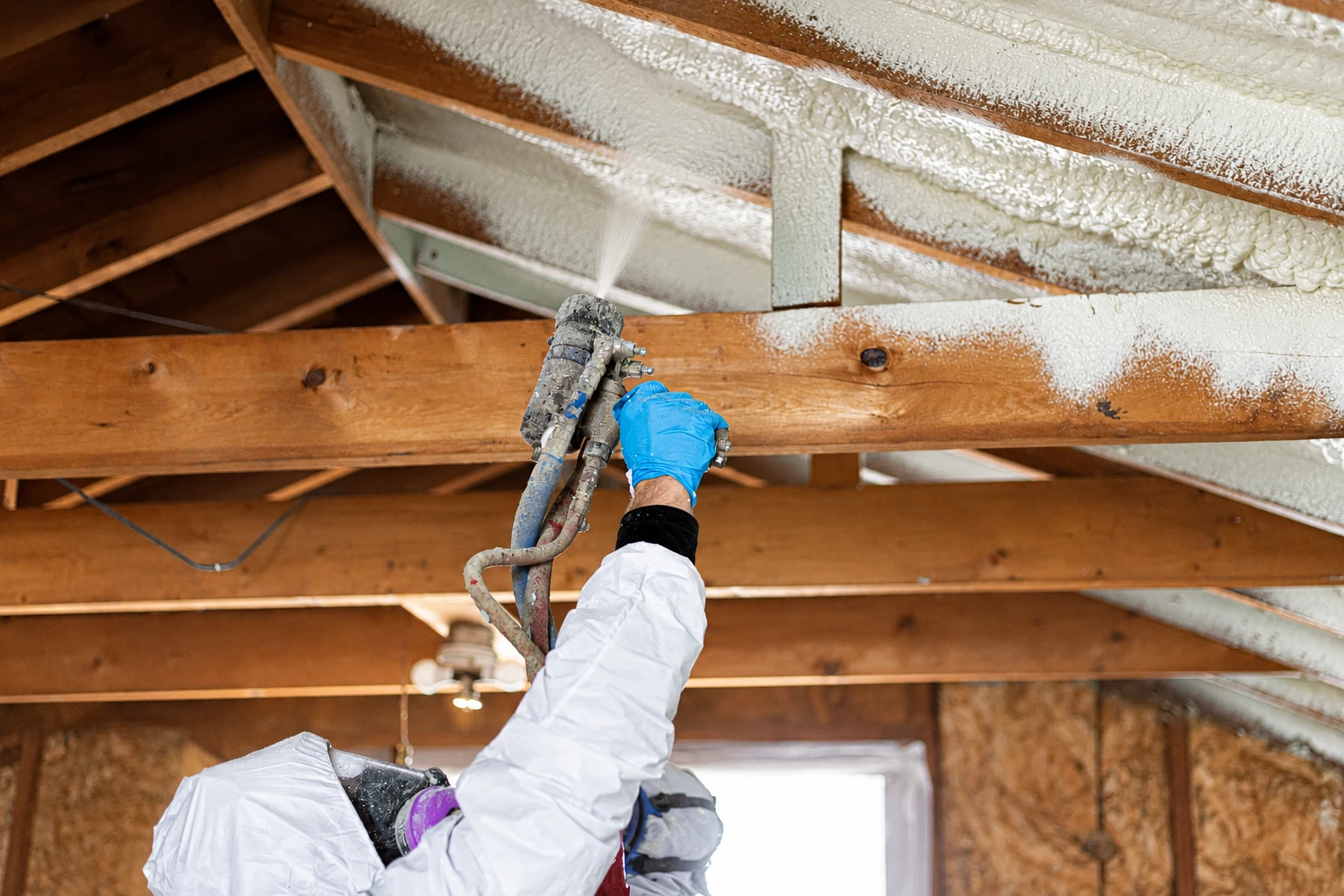
Leak check first
We look for water coming in before any insulation goes up.
Foundation looked at
Cracks or bowing get a second look before walls are covered.
Right material for concrete
We pick insulation that won't soak up moisture against the wall.
Walk-through with me
I check the finished work with you before we leave.
How do you insulate a basement without trapping moisture?
Basement insulation in Soledad covers the basement walls, and sometimes the floor slab, so the basement becomes part of the heated and cooled part of your house, warmer in winter and usually drier in summer. Soledad Spray Foam Insulation does this work in Soledad and the cities around it.
It goes in a set order. I look for water coming in and any foundation trouble first, because insulation laid over either one just hides it. Once the walls are dry and sound, we pick a material that won't hold dampness against the concrete and put it in tight, so damp air has no gap to collect in behind it.
What you pay depends on how much wall we're covering, whether the floor gets done too, which material fits, and how much fixing comes first. Foam costs more than boards or batts. The schedule turns on the same things, since a leak or foundation repair usually comes before us and is often another trade's job. Your written estimate lists what I found and what I'd do first.
- Leaks and wet spots found first
- Foundation concerns flagged before walls close
- Insulation that won't hold dampness
- A written list of what comes first
How do you know your basement needs insulation?
It's worth a look when the rooms above feel cold, the basement smells damp, or you're about to finish the space and close up the walls.
Cold floors upstairs
The rooms over the basement feel cold underfoot all winter, because heat is slipping down into bare concrete walls.
A musty smell that stays
A damp smell that hangs around usually means moisture is getting in, and that has to be tracked down before anything is insulated.
Water marks or wet spots
Stains, white crust or damp patches on the walls mean water is coming through. That gets fixed first, since insulation over it only hides it.
Cracks in the walls
New or growing cracks need a look from someone who knows foundations before we cover them up for good.
Damp old insulation
Fiberglass pressed against the concrete that feels wet or sags is holding moisture, and it usually needs to come out first.
A power bill that keeps climbing
The heater runs and runs while the basement stays chilly, which usually means the walls down there are giving heat away.
Get a free basement estimate
Tell us a little about your basement. We reply within one business day to set up a free on-site estimate, with no pressure and no obligation.
What I look at before insulating a basement
Before I recommend any material, I look at where water gets in, how the foundation is holding up, and what's running down there, because each one changes the job.
Water coming in
I look for stains, wet spots and where downspouts and grading send water, because the big sources need to head away from the walls first.
Foundation condition
Cracks, bowing or settling go on the estimate, since covering a structural problem can hide it or make it worse. Those need a foundation pro first.
Fuel-burning appliances
A gas furnace or water heater down there gets noted, because sealing the space changes its air. The estimate says if it needs a safety check by a qualified contractor.
What's on the walls now
Old batts, plastic sheeting or paneling tell me whether moisture has been trapped, and whether anything has to come out before we start.
What to expect on a basement insulation job
We plan the job around your house, so any leak or foundation repair gets done first, and the crew comes in once the walls are ready for insulation.
You reach out
Call (831) 315-4005 or send the form, and we get back to you to set up a time for me to come out.
I look at the basement
I come out myself and check the walls, the floor, any leaks and the appliances down there before recommending anything.
Your written estimate
You get a written estimate listing what I found, anything that needs fixing first, and the material I'd use and why.
Permit and the work
If the job needs a permit, we line it up with the city. Then our crew installs the insulation in the order on your estimate.
Walk-through together
I check the crew's work and walk the finished basement with you, so you see exactly what you paid for.
Why Soledad homeowners call us for basement insulation
You can count on the work going in the right order, and on knowing what you're paying for and why, from the first visit to the walk-through.
I write every estimate
I look at your basement in person and write down what I found, including anything another trade should fix first.
Insulating homes since 2013
I learned insulation on other crews, then started this business in Soledad in 2013, and I check every job before we finish.
Fully licensed and insured
We're fully licensed and insured, and our crew does the install in the order written on your estimate.
Easy to get started
Our work is backed by our satisfaction guarantee. Call (831) 315-4005 or send the form to set up a visit.
Basement insulation in Soledad and nearby cities
Permits here go through the City of Soledad, and you apply through the city's permit portal. I won't guess whether your basement job needs one, so we check with the city before we start, and if it does, we handle the paperwork as part of the job. The city's permit line is 831-223-5041 if you'd like to ask yourself.
Basements are less common around here than crawl spaces, so many we see are older or sit under just part of the house, often with paneling or batts left from an earlier finish. We do the same work, in the same order, in Salinas, Greenfield, Gonzales, King City and the cities around them.
Got a cold or damp basement in Soledad? Give us a call.
(831) 315-4005Basement insulation questions we hear
What is the best way to insulate basement walls?
For the inside of a basement wall, federal Department of Energy guidance rates closed-cell foam as the best at controlling moisture. Fiberglass or cellulose against the concrete can soak up water and stay damp, while rigid foam boards work when they sit fully against the wall with every seam sealed. Open-cell foam seals air well but has to go on thicker to stop moisture, so ask how thick it'll be sprayed.
How do I deal with basement leaks before insulating?
Fix the water first, with the big sources like downspouts and grading sent away from the foundation walls, before any insulation goes up. Insulation over a foundation with structural problems can hide them and sometimes make them worse, so cracks or bowing should be looked at first. I note both on your estimate, and it's often work for another trade.
How much does basement insulation cost in Soledad?
Across the US, insulating a basement usually costs about $4.50 to $6 per square foot, a national figure for basement work in general and not our price. Your cost turns on how much wall and floor gets covered, the material, and any leak or foundation repair that comes first. Your written estimate lays it out item by item.
Who can install insulation in California?
In California, the Contractors State License Board sets an insulation and acoustical contractor license that covers putting in any insulating material for heat or sound. Even a job under $1,000 needs a licensed contractor if it requires a permit of any kind, or if the unlicensed worker brings on helpers, so ask a handyman about both.
Do gas appliances need a safety check when you insulate a basement?
Yes, Department of Energy guidance says fuel-burning appliances should be checked for safe running both before and after the basement is sealed and insulated. If yours don't have their own outside air supply, a qualified contractor should look at combustion safety, and I'll flag that on your estimate.
Does spray foam in a basement need to be covered?
Yes, Department of Energy guidance says spray foam has to be covered with ignition-barrier paint, a fire-resisting coating, or with drywall. If you're finishing the room, the drywall usually takes care of it, and if you're leaving the walls open, we'll talk through the coating before we start.
Ask Soledad Spray Foam Insulation for an estimate
Jot down any water, cracks and gas appliances in your basement before you call, and we'll set up a time to come look.